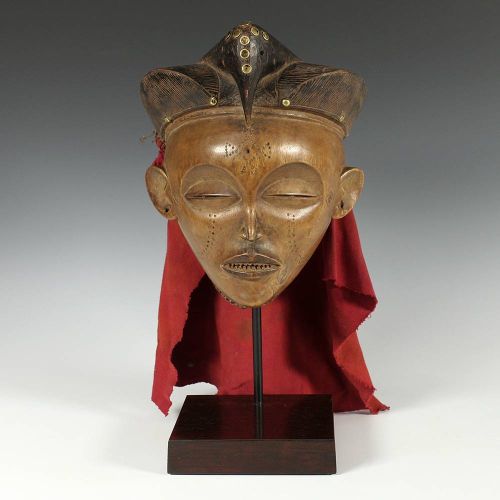
Collecting African Art: Part 1 – Authenticity
This blog deals with authenticity – one of the most important considerations in collecting traditional African art.
This blog deals with authenticity – one of the most important considerations in collecting traditional African art.
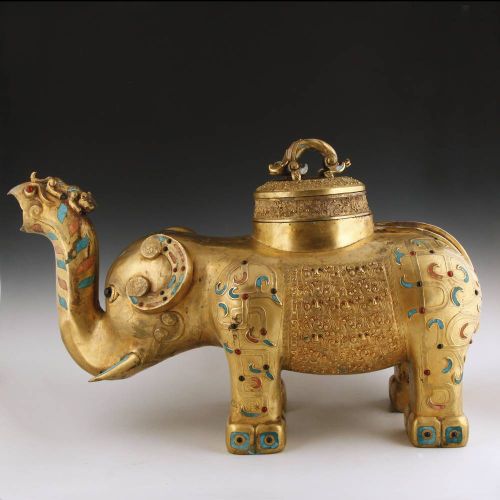
The purpose of this blog is to provide the reader with a useful, practical guide to interpreting the appearance of animal symbols in Chinese art and antiques.
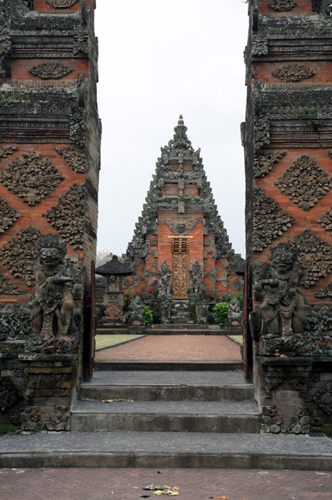
The island of Bali is in Indonesia. While it can be described as an island paradise featuring extraordinary natural vistas and scenes of great beauty on both a…
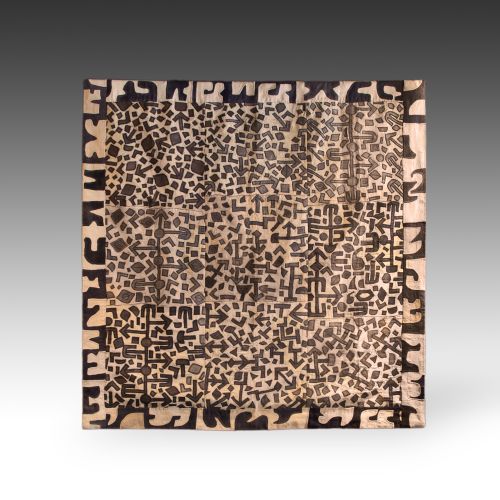
This blog illustrates how long textiles woven by the Kuba people can be re-purposed as tapestries for use in modern interiors.
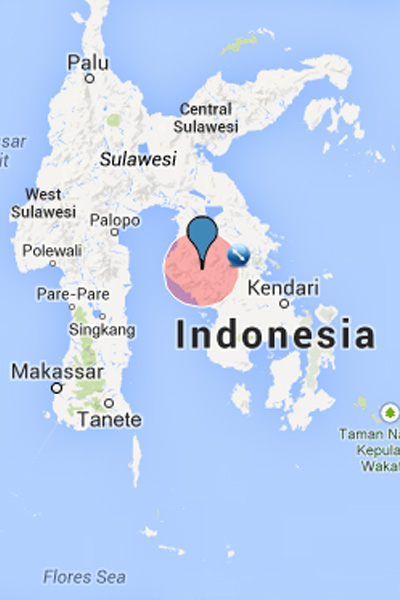
This blog discusses Tongkonan, the ancestral houses of the Toraja people that are becoming architecturally endangered as traditional beliefs fade away
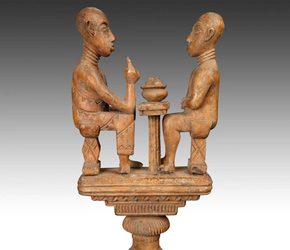
In the Ashanti kingdom, royal dignitaries called Akyeame are responsible for relating the king’s words to the people through proverbs , a highly valued oral tradition. To symbolize…
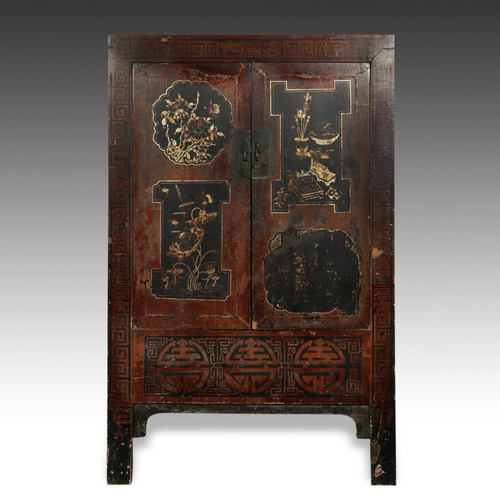
The dictionary definition of provenance simply states it is the history of ownership of art and antiques; but this concept, while it can be used to gauge the…
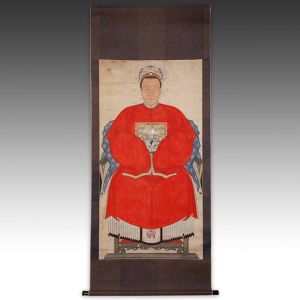
Ancestor worship is a religious practice based on the belief that deceased family members have a continued existence, that the spirits of deceased ancestors will look after the…
The word ‘petrify’ comes from the Latin term petra, meaning to ‘become stone.’ While the mythological Medusa can turn anyone who meets her eyes into stone in a…
In traditional African art, which generally refers to the art of sub-Saharan Africa, the concept of motherhood and maternity is a theme surfacing in just about every tribal…
New pieces, sent to you before they are shown.