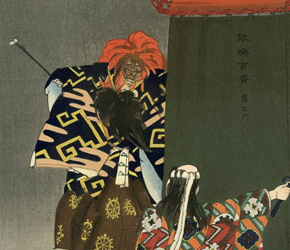
Kogyo and Noh Drama Prints
Japanese woodblock prints illustrating the two main types of traditional Japanese theater were Noh drama and Kabuki – those illustrating Noh drama did not appear until the very…
Peoples, deities and the objects they made: notes on the cultures behind the collection.
Japanese woodblock prints illustrating the two main types of traditional Japanese theater were Noh drama and Kabuki – those illustrating Noh drama did not appear until the very…
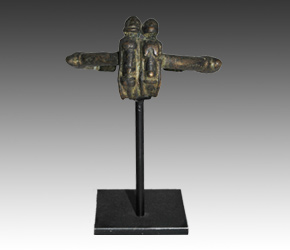
Dogon believe a single creator called Amma established four sets of beings called Nommo, each embodying male and female traits.
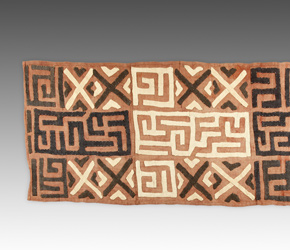
Kuba cloth has a unique, geometric style. Some say the designs found on Kuba cloth are based on the tribal scarification patterns of the Kuba people themselves.
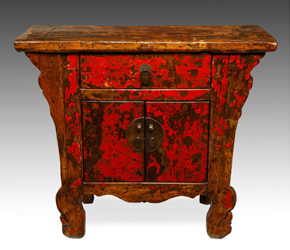
Classical Chinese furniture emphasized the natural beauty of expensive hardwoods, which were often waxed to give a glossy, resistant surface. Woods such as Rosewood, Zitan, Zelkova, and Hunghuali…
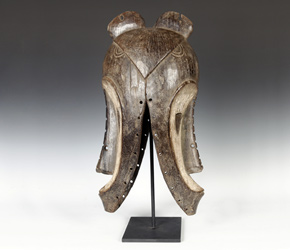
The white double-sided Ngil face mask comes from the Fang people, who reside in what is now Equatorial Guinea, northwest Gabon, and South Cameroon.
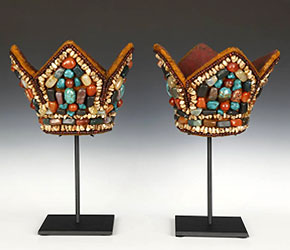
Ladakh, today a part of Northern India, is the largest Tibetan refugee area in the world. This is because Ladakh continued to look to Tibet for religious inspiration…
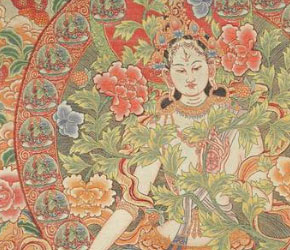
Tara is known as the Saviouress, the female counterpart of Avalokitesvara, the vehicle through which Avalokitesvara’s love and compassion are delivered.
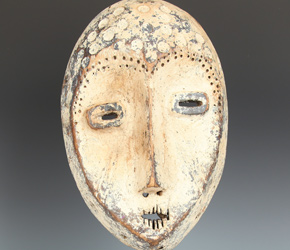
Men and women in Lega culture enter the centuries-old Bwami society to learn skills and wisdom for life that are taught to initiates through art.
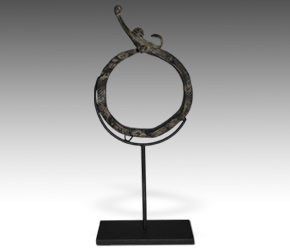
To the Gan people, the python is the protector of the family and Gan culture, and a symbol of courage and fearlessness, historically worn by Gan warriors for…
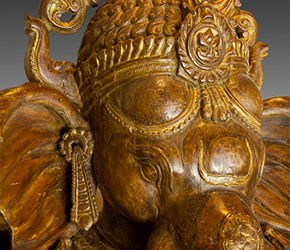
Of all Hindu deities, Ganesh, is one of the most revered. Ganesh has many roles – God of wisdom, commerce, and all the creative arts and sciences –…
New pieces, sent to you before they are shown.