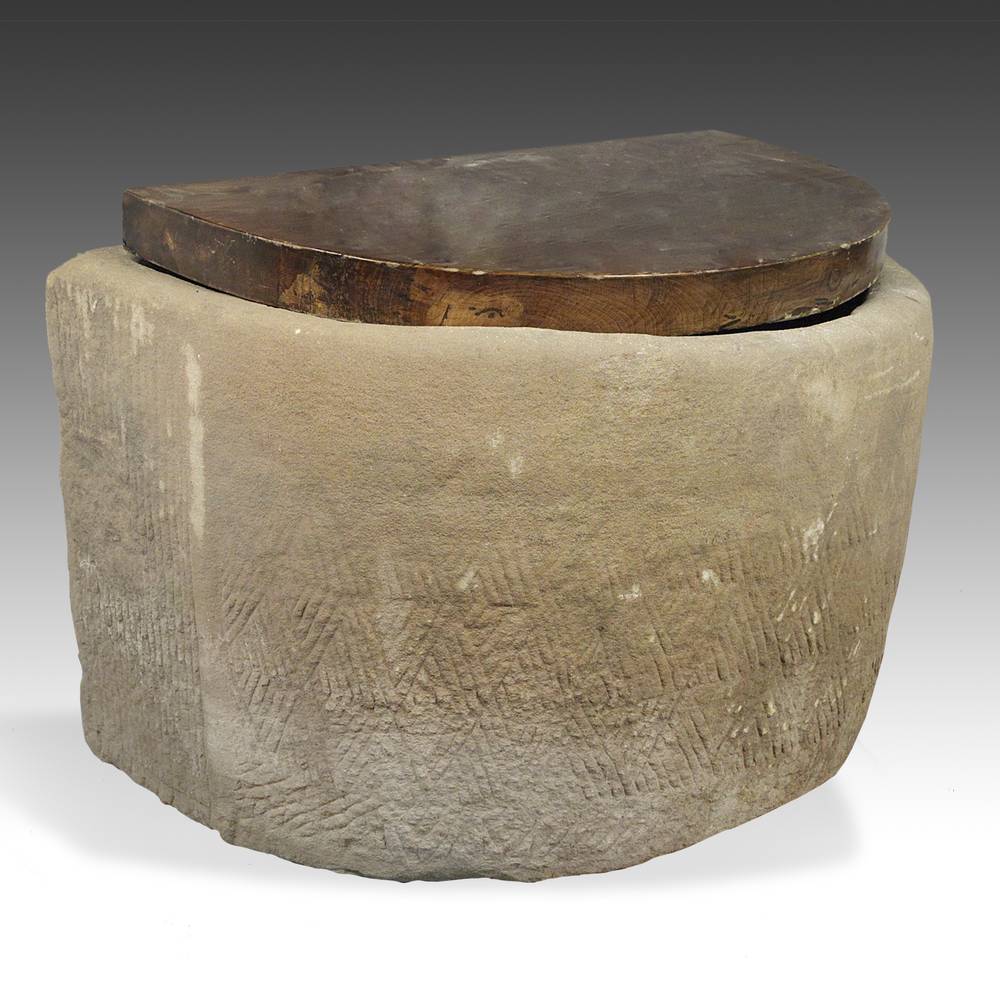
Chinese Rough-hewn Trough
Product ID: A0607-623
$6,950.00
About this piece
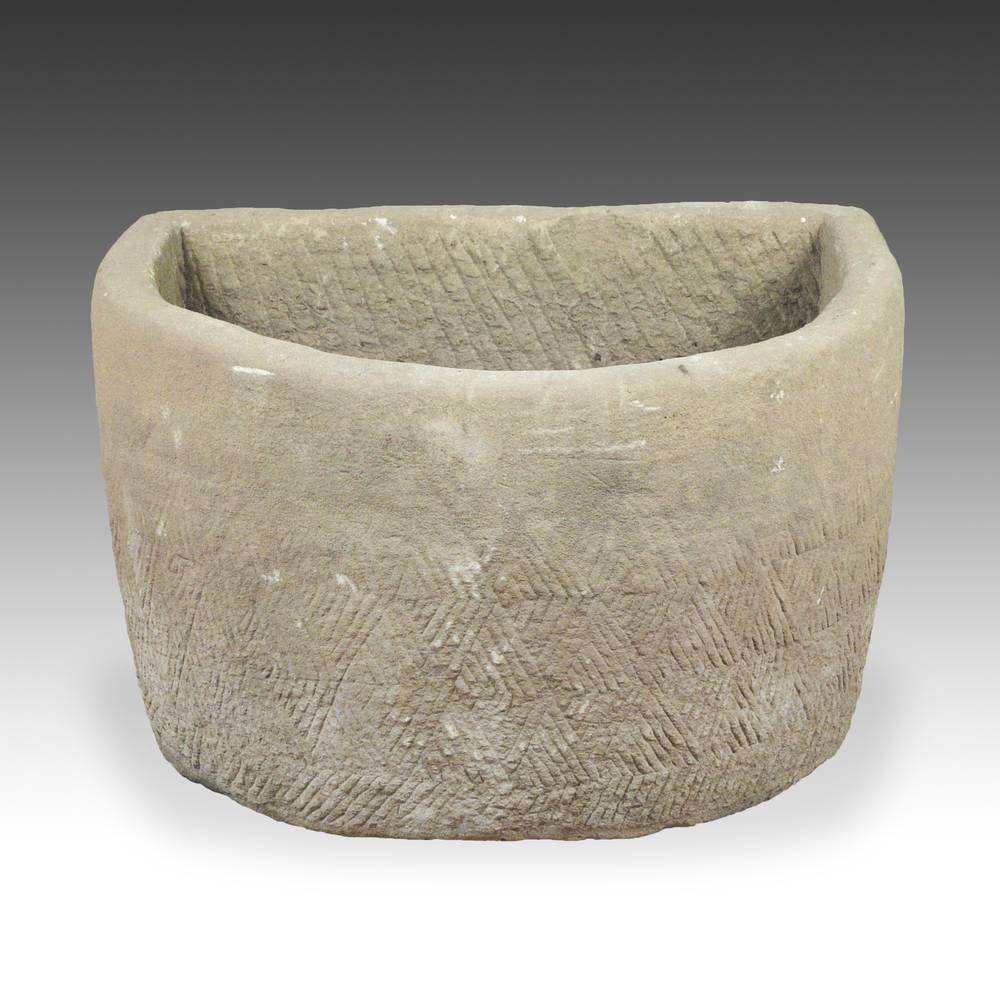
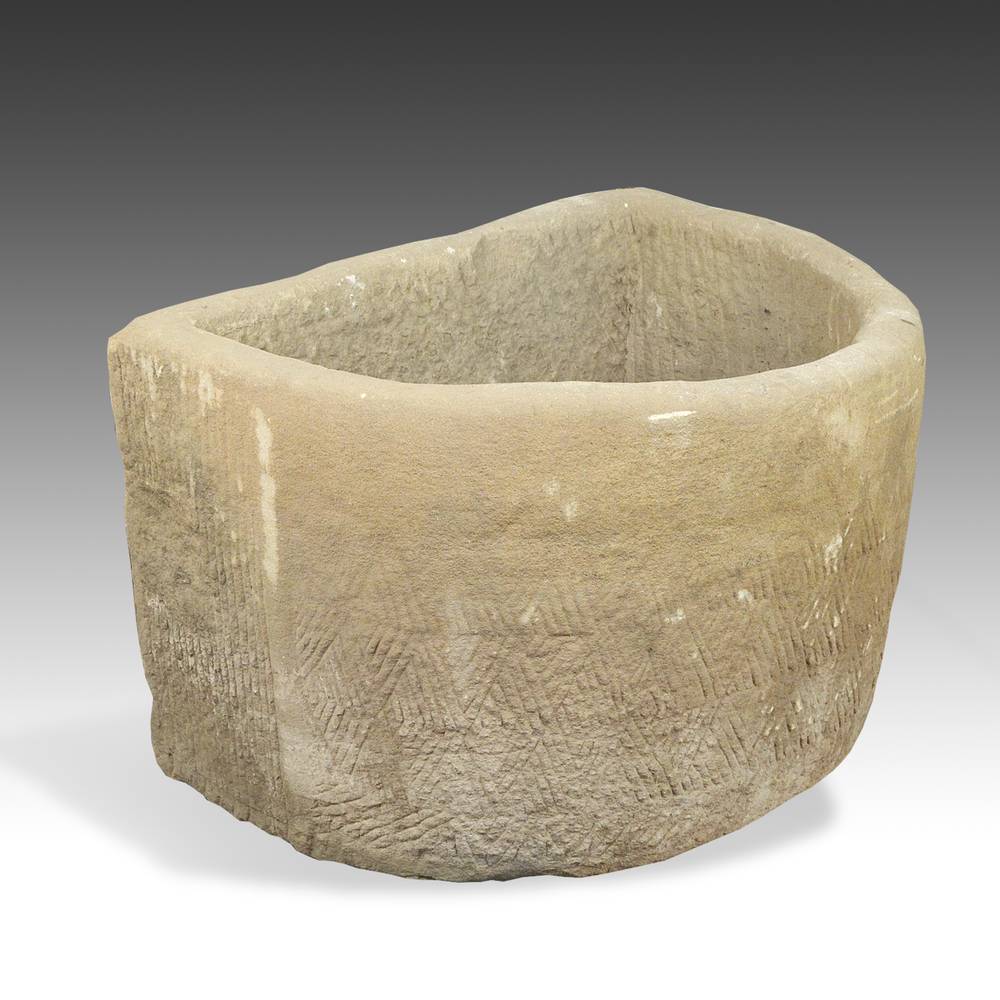
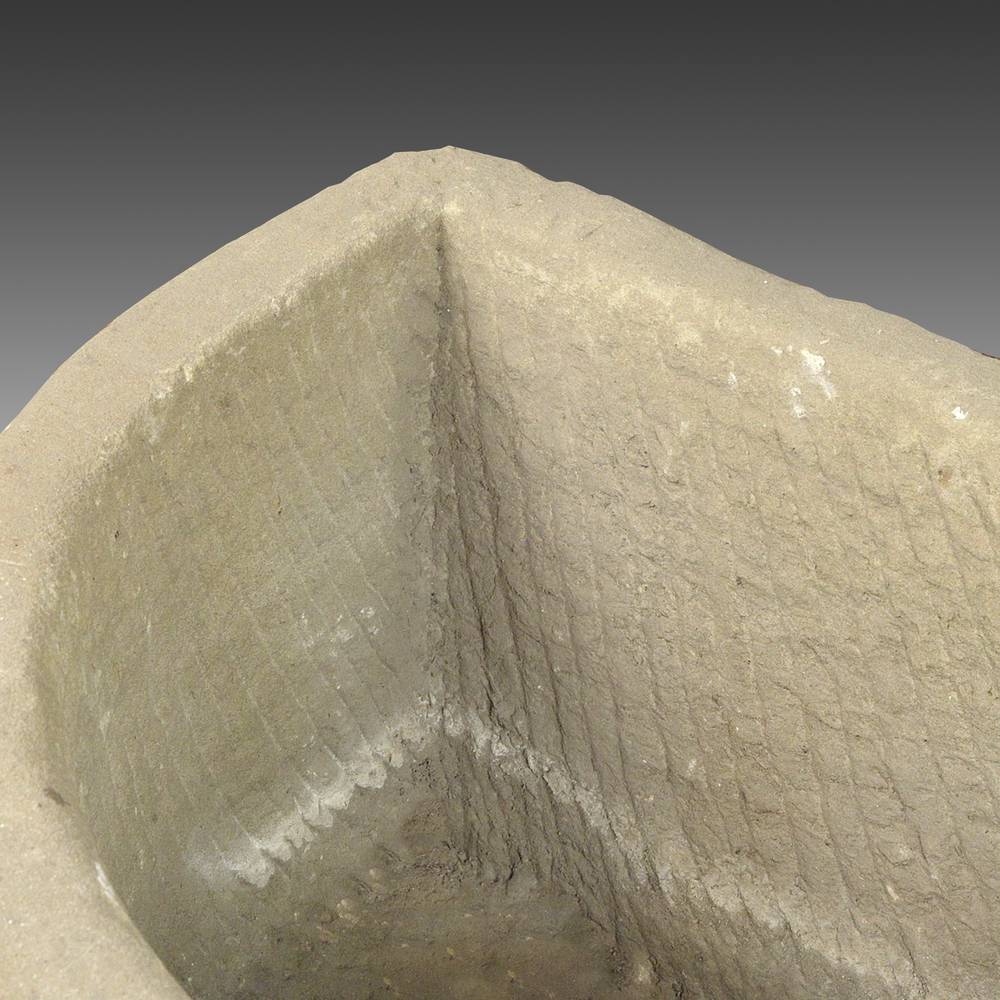
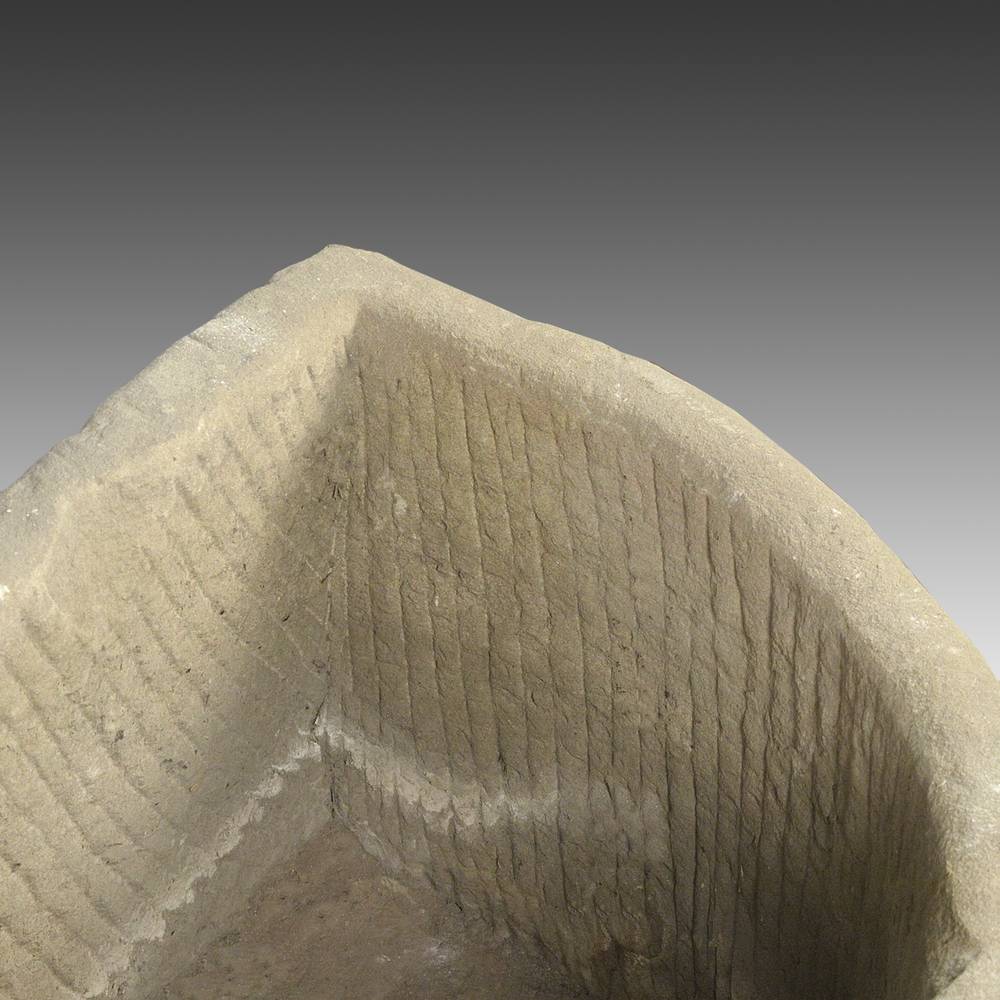
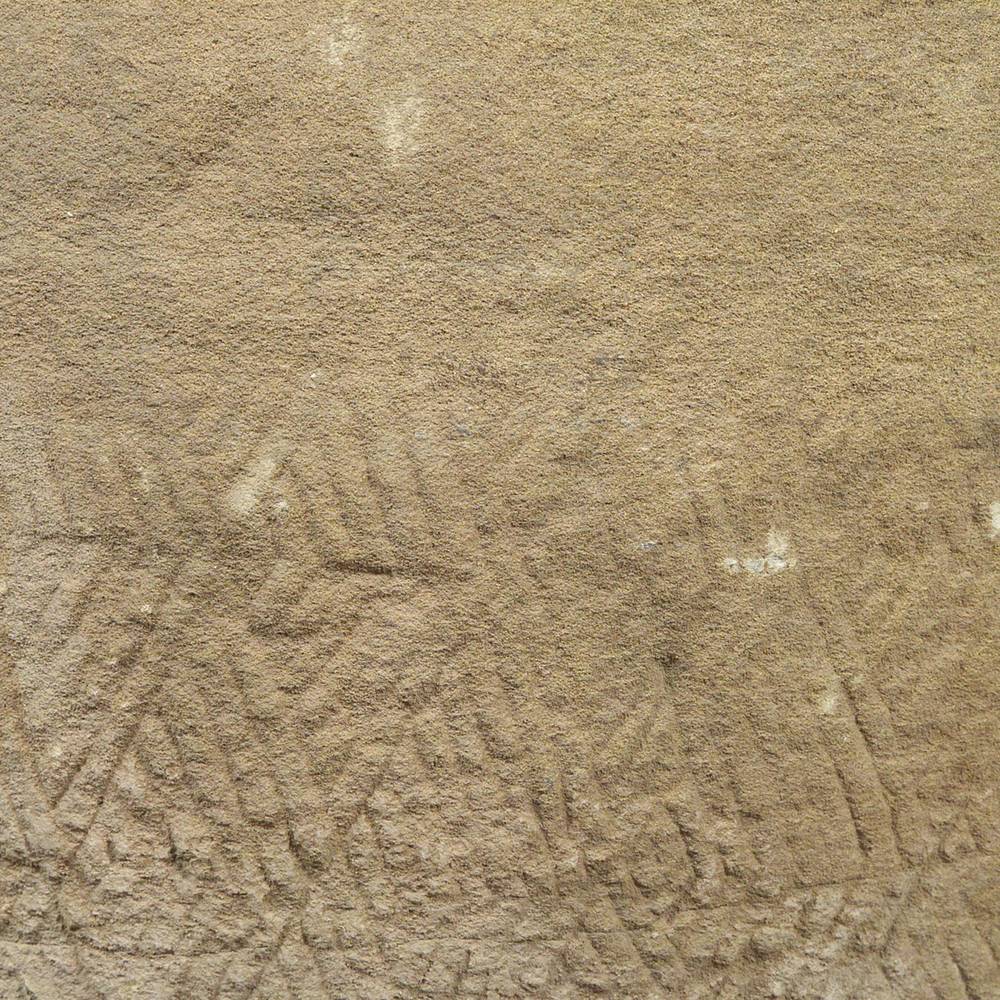
Herringbone on the outside, herringbone on the inside, and a mason who would not let up.
This rough-hewn trough comes from Shandong Province, China, and dates to the early 17th century. It is stone. Carved stone troughs served Chinese farms and courtyards for water, feed and planting, and were usually shaped from a single block. The D-shaped basin has a flat back and a deep curved front. Rows of chevron tooling cover the lower body and continue across the inner walls, while a smoother band runs below the rounded rim. The stone is a soft grayish buff, flecked here and there with pale marks. It is 37.5 inches wide and 23.5 high.
Every square inch has been chiseled, which feels like a statement.